Can you tell us a bit about ACS and its core mission?
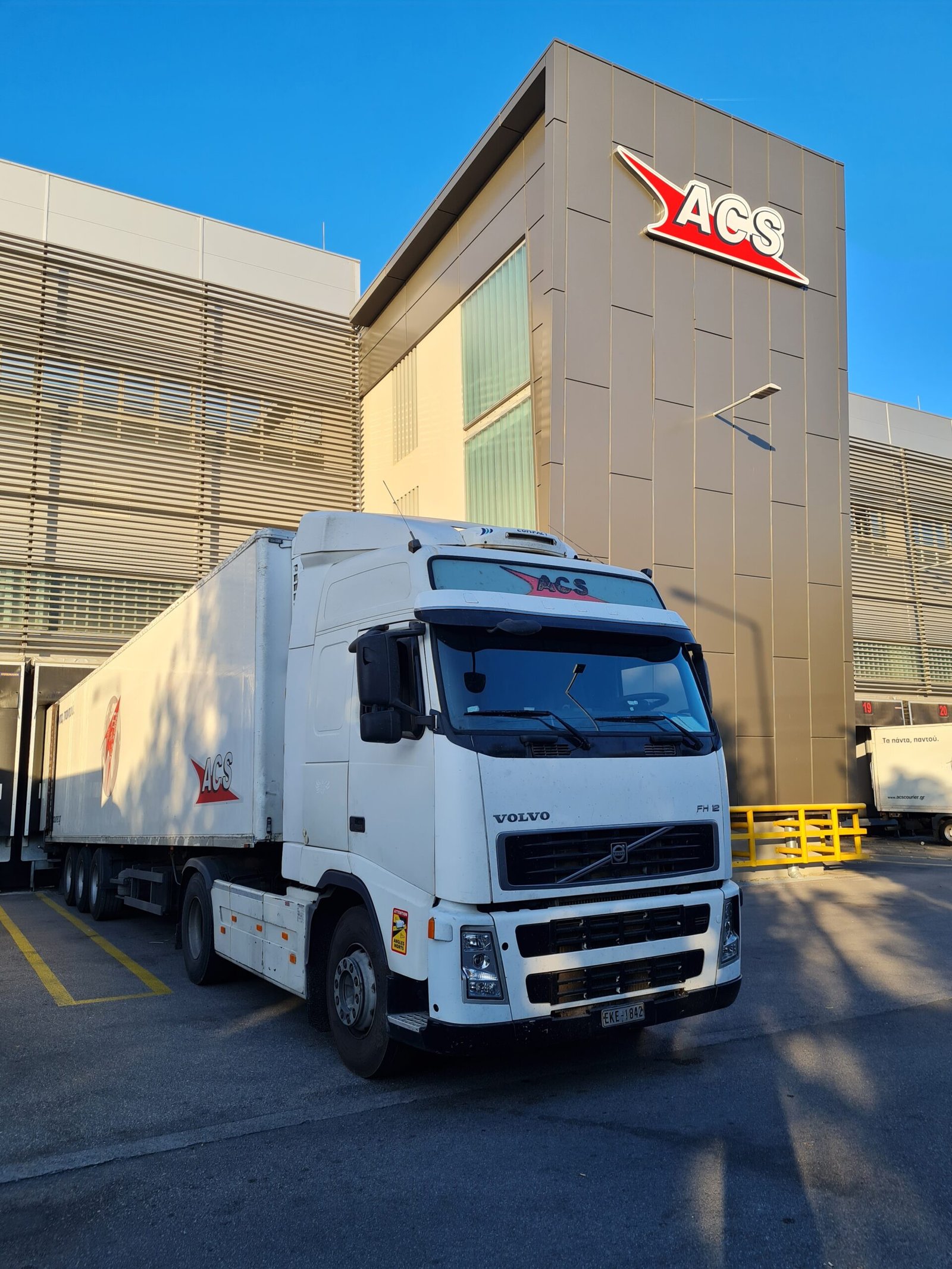
ACS Courier and Postal Services S.A. is the leading courier company in Greece, operating since 1981. Its core mission is to deliver reliable, high-quality courier services while continuously investing in innovation, automation, and customer experience.
What are the main products or services ACS offers?
ACS provides domestic and international courier services to businesses, e-shops, and households. These services are supported by an extensive physical network, advanced IT systems, and a large smart locker infrastructure.
How has ACS evolved since its inception?
ACS has evolved from a traditional courier provider into a highly automated, technology-driven logistics organisation, handling more than 50 million shipments annually across Greece, Cyprus, and other countries worldwide.
How did ACS get involved with the TRACE project?
ACS joined TRACE to contribute its real operational courier experience and to explore how multimodality can be applied in large-scale, real-world logistics environments.
What specific role does your company play in the TRACE project?
ACS acts as an operational partner, providing real use cases, requirements, and pilot validation. The company runs three large-scale demonstration pilots in Greece, focusing on long-haul operations, resilience in unexpected events, and autonomous last-mile deliveries.
Can you describe any unique contributions or innovations ACS has brought to the project?
ACS contributes practical insights from daily courier operations, supported by real-life data and requirements derived directly from its operational activities.
What is your long-term vision for the TRACE project?
ACS views TRACE as a foundation for interoperable logistics platforms that can support future courier operations across different actors and transport modes.
How has the collaboration with other partners in the TRACE project been so far?
Collaboration has been highly effective, combining research expertise with operational and technological perspectives. Overall, it has been a very positive journey, delivering solid and tangible results for the project.
Can you share any success stories or notable achievements from your collaboration within the TRACE project?
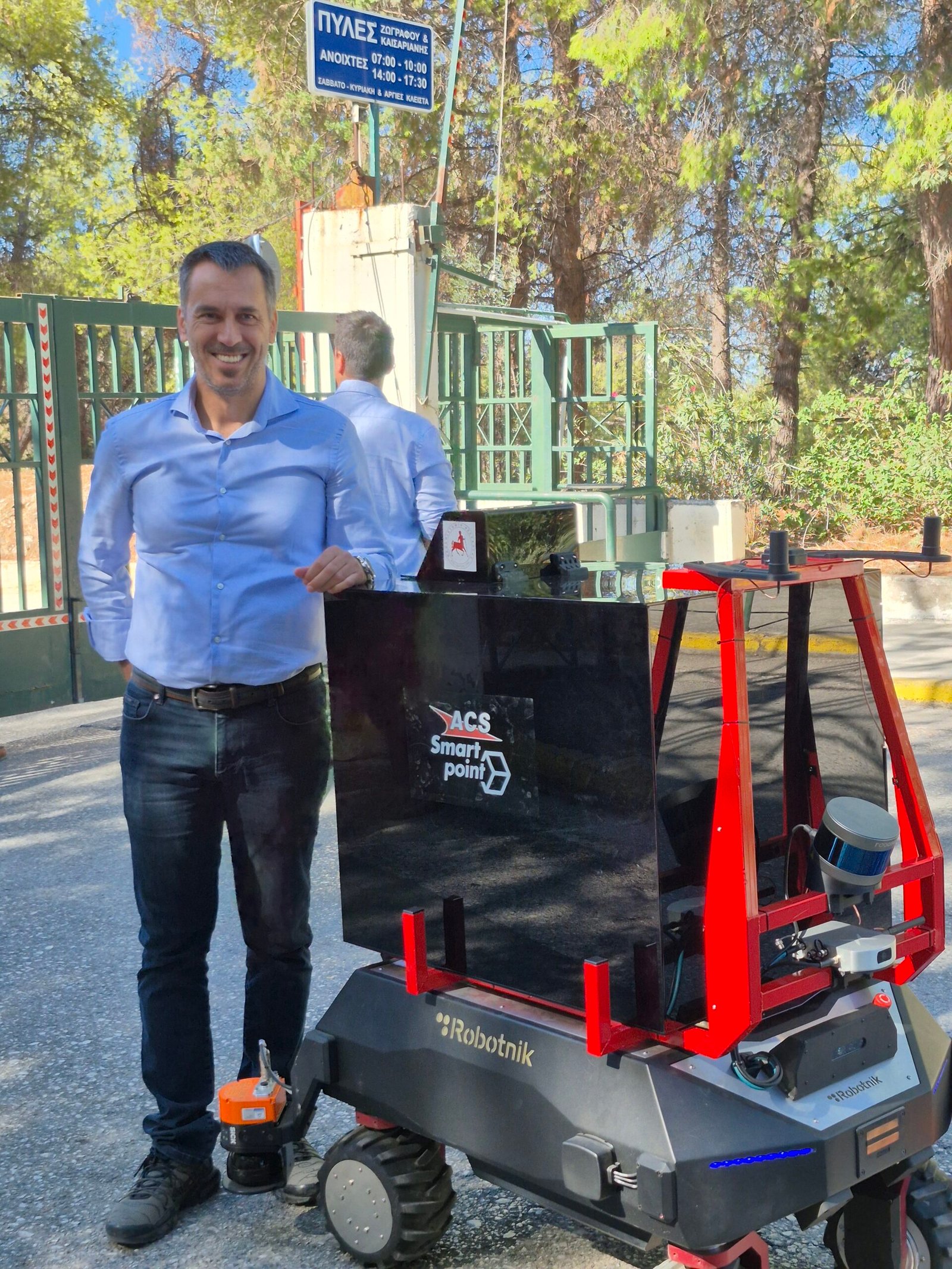
The implementation of the Greek Pilot Scenario C represents a clear success story. An autonomous vehicle deployed from Spain, an automated smart locker prototype developed by the University of Thessaly, and the University of Athens campus as a real-world testing environment were brought together through close collaboration with the project’s technical teams. This resulted in ACS’s first last-mile delivery using an autonomous ground vehicle.
In your opinion, what are the most important values that the TRACE project embodies?
Collaboration, interoperability, transparency, and operational realism.
How do you think the TRACE project stands out from similar initiatives in the field?
TRACE stands out by actively involving large-scale operational pilots for demonstration and validation purposes.
What new opportunities do you believe the TRACE project will open up for ACS?
TRACE may enable new data-driven operations, improved interoperability through cooperation in the middle mile, and alternative approaches to urban last-mile delivery.
What personally excites you the most about the TRACE project?
As with all projects we participate in, what excites us most is the opportunity to test advanced concepts and models under real operational conditions. The insights gained, combined with being part of a broader innovation ecosystem, are particularly valuable.