Company Background
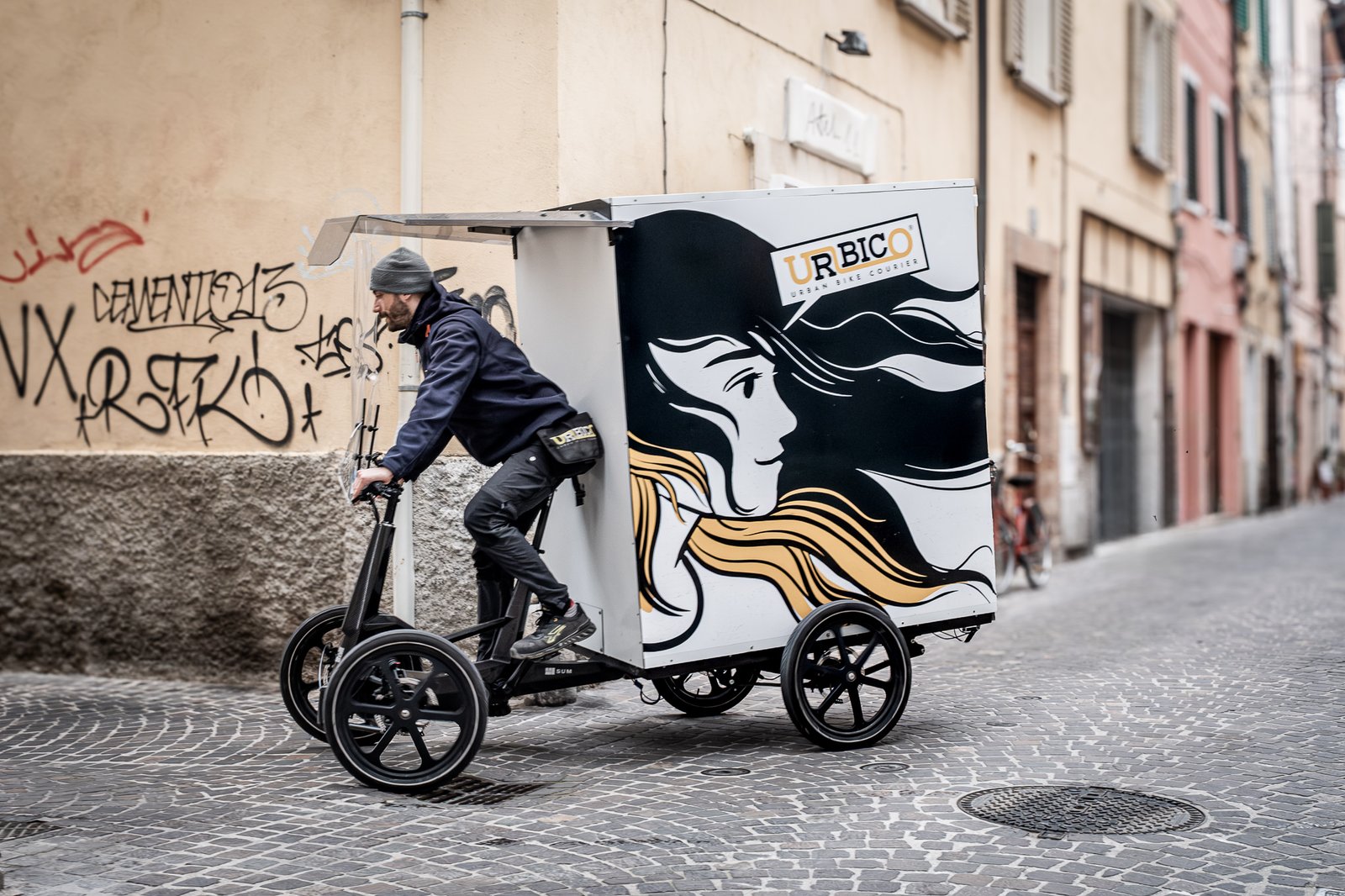
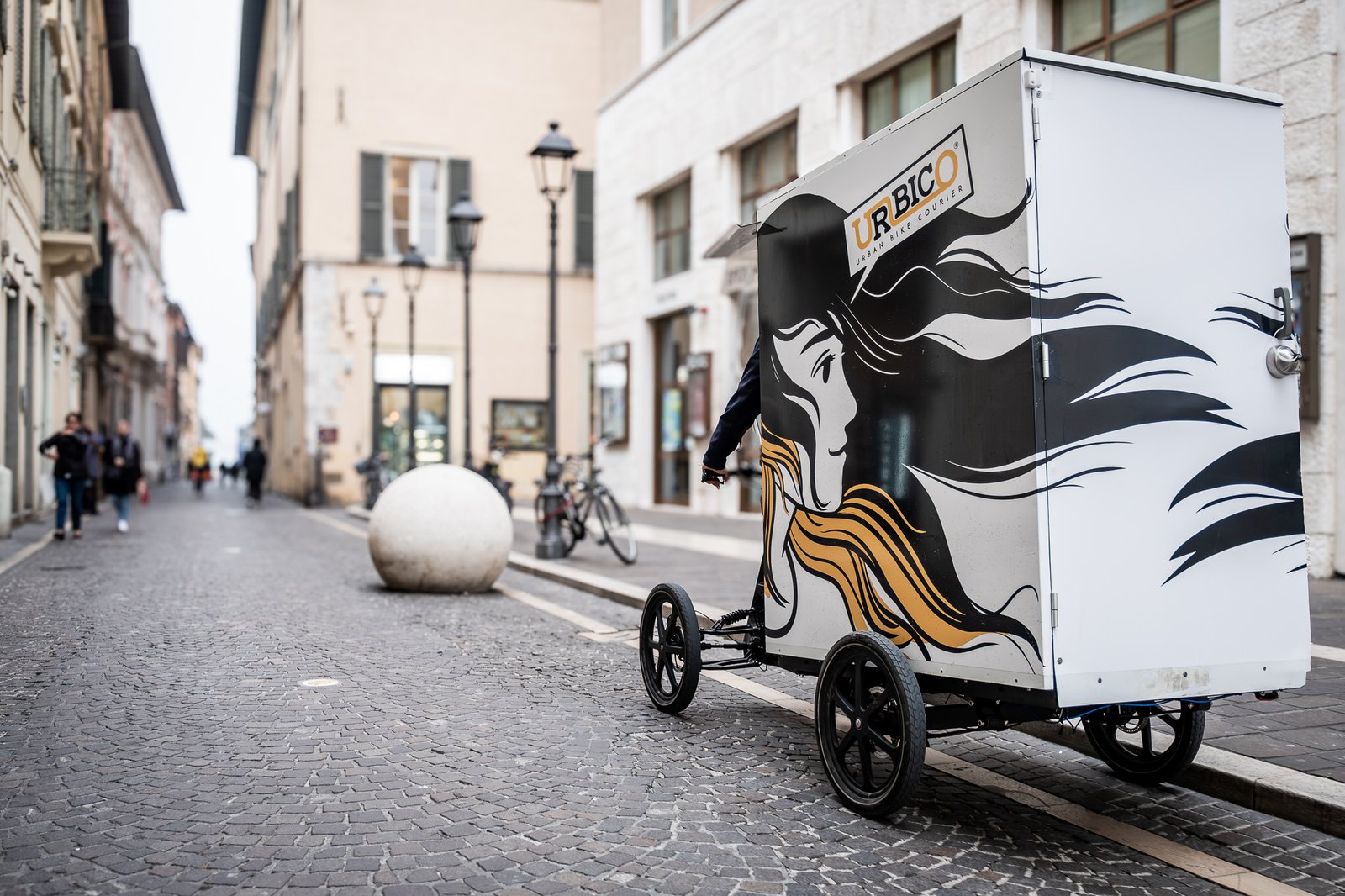
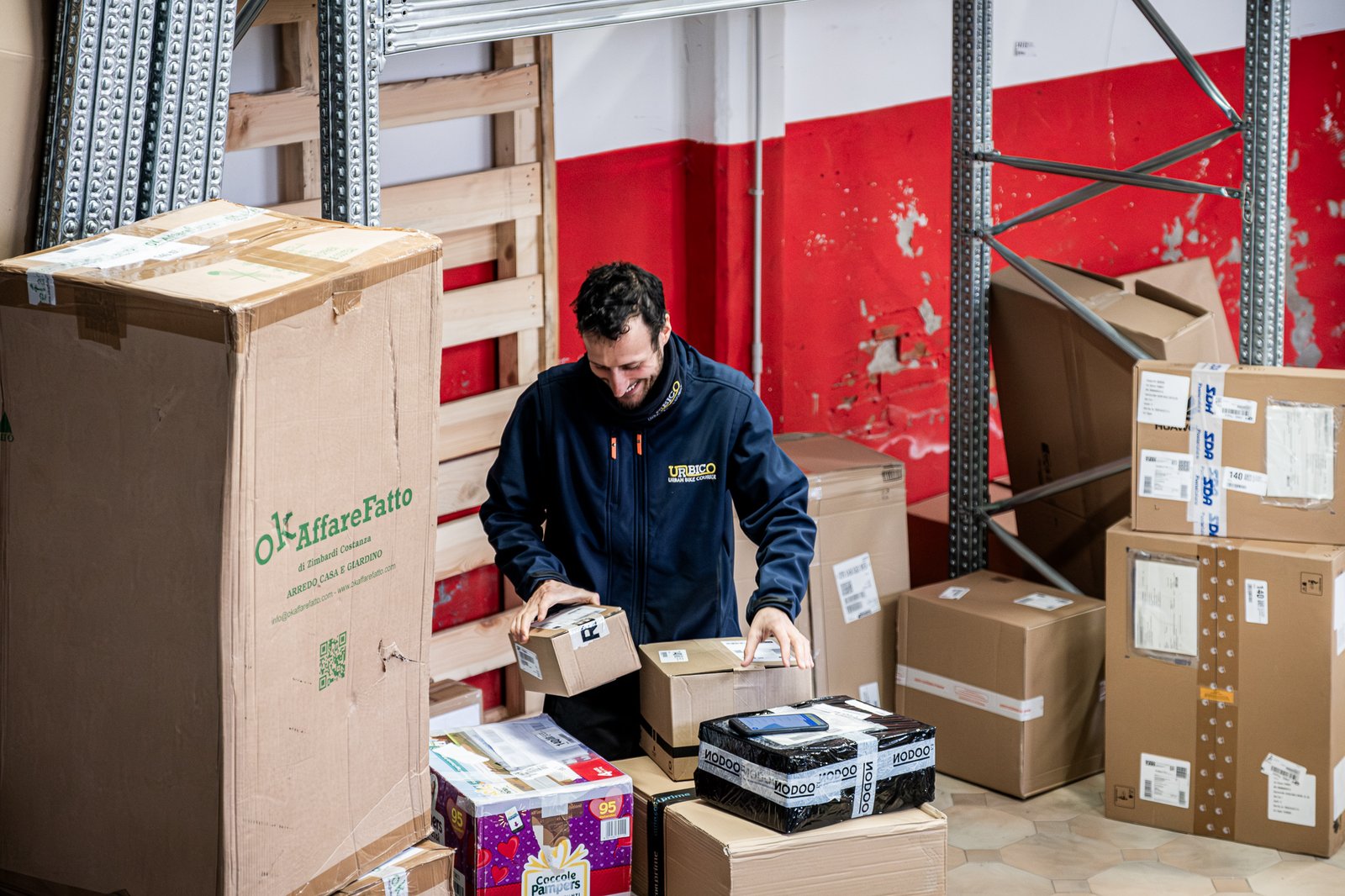
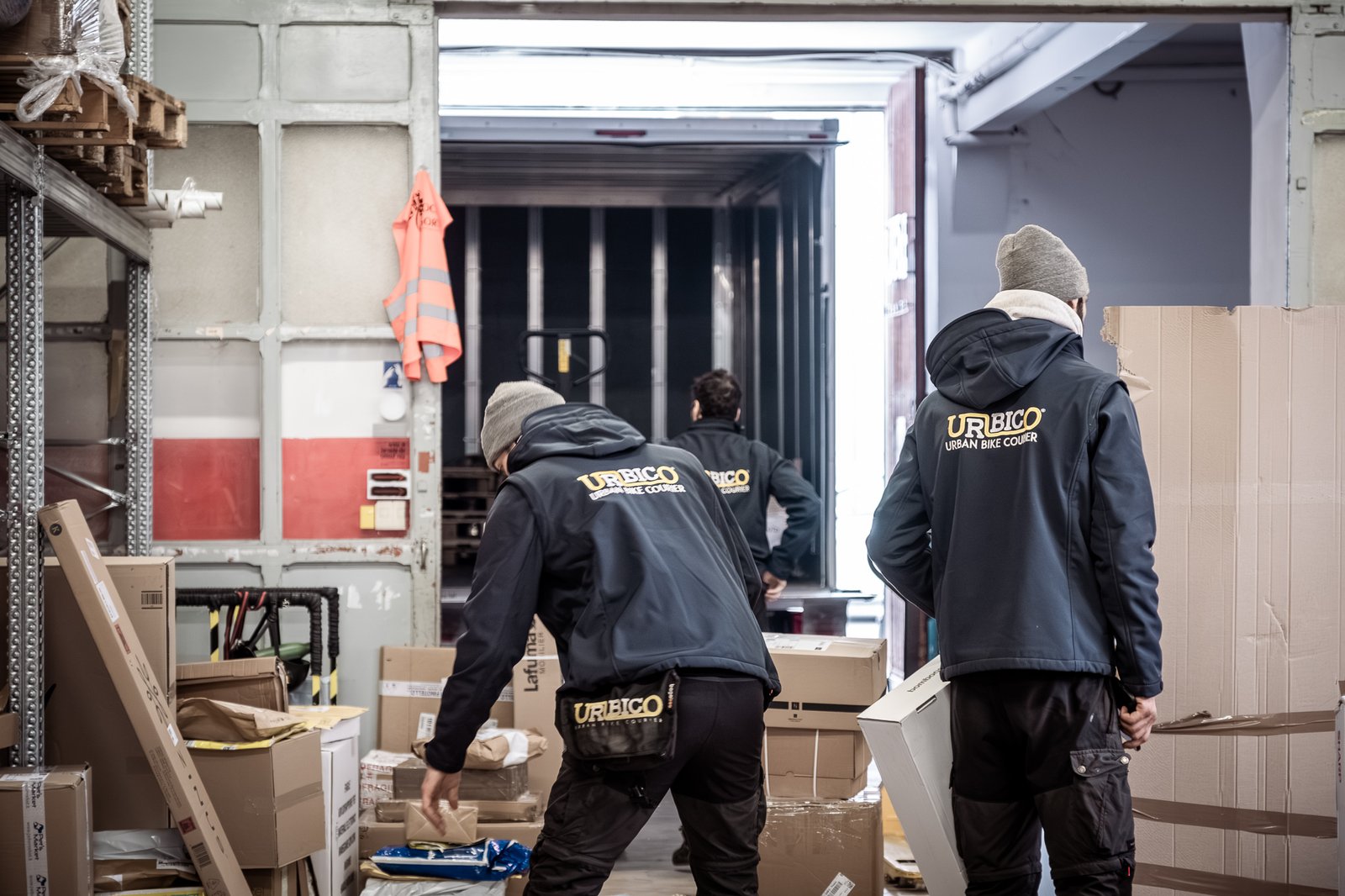
Urbico is a sustainable logistics operator based in Pesaro, Fano, Rimini and Modena Italy. Our mission is to redesign urban logistics by integrating cargo bikes, clean mobility solutions, and intermodal models that reduce emissions and improve city livability. We operate at the intersection of ecology, data, and urban transformation, offering last-mile delivery, warehouse consolidation, and shared logistics services.
What are the main products or services Urbico offers?
- Urban delivery with cargo bikes and low-emission vehicles
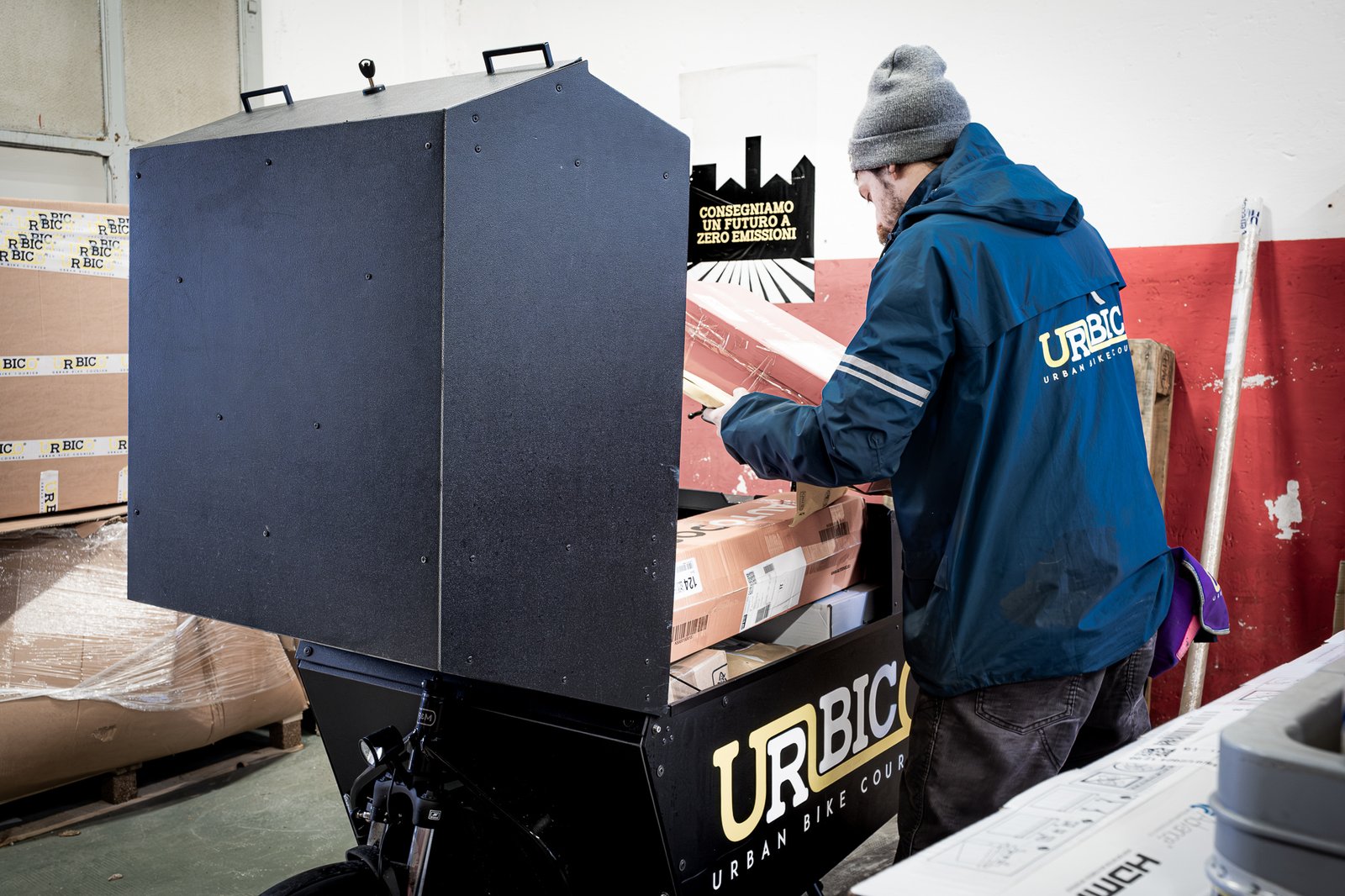
- Micro-consolidation and warehouse management
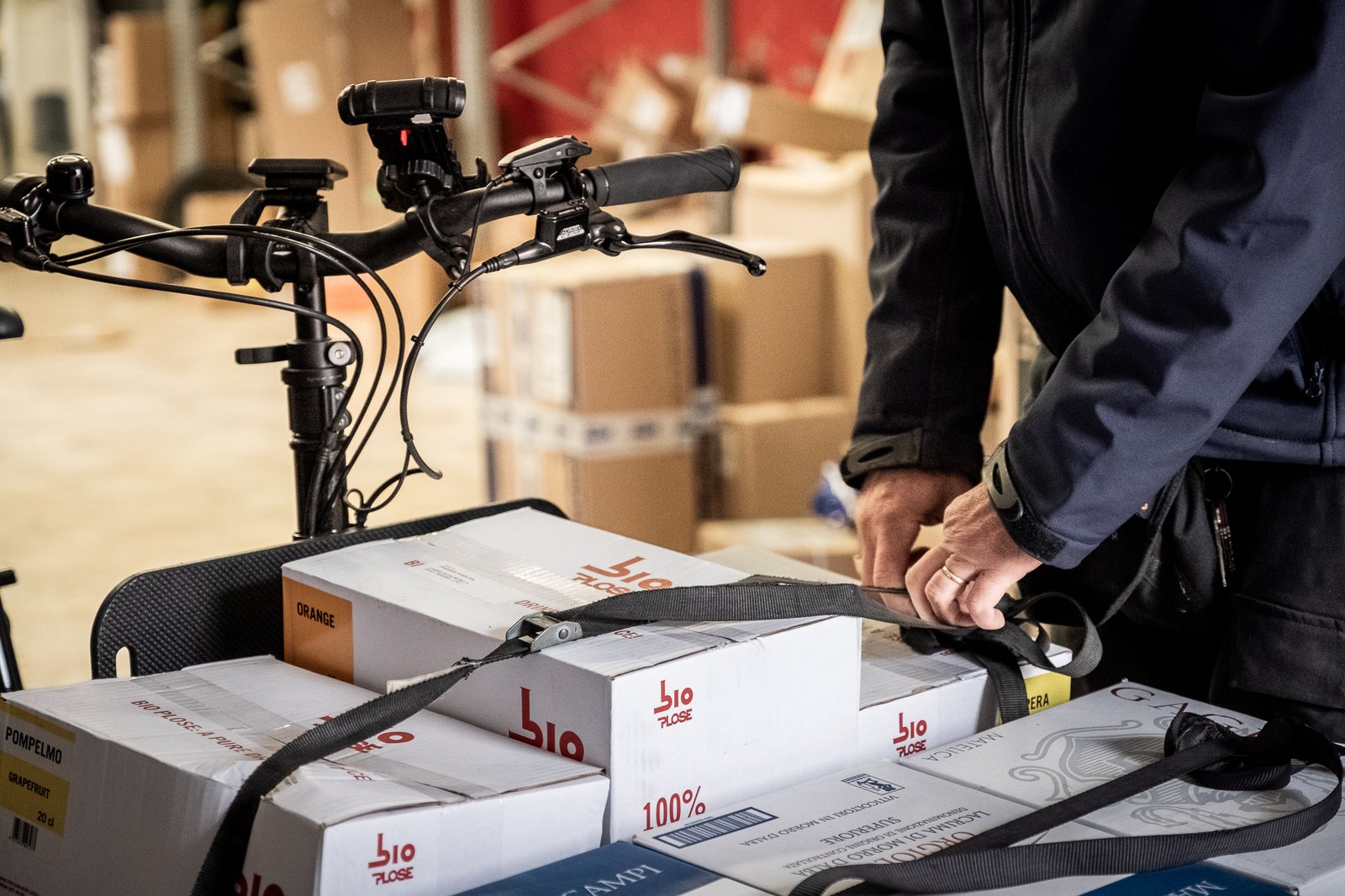
- Logistics for local food producers and zero-emission refrigerated delivery
- Piloting of shared cargo bike systems
- Design and management of velostations as intermodal hubs
How has your company evolved since its inception?
We started as a cargo bike courier and third party cyclelogistics company in 2018 and have grown into a professional third-party logistics provider, now managing first and last mile delivery for major clients (e.g., Poste Italiane, DHL, GLS and also for more local clients). In 2025, we are opening the first Velostazione Urbana (Urbica) in Pesaro, offering logistics services alongside a community hub for sustainable mobility.
Contribution to the TRACE Project
How did Urbico get involved with the TRACE project?
Our participation was driven by a commitment to experimentation and co-design with cities, operators, and academic institutions.
What specific role does your company play in the TRACE project?
Urbico manages operations, engages local stakeholders, and collects real-life data on vehicle performance, emissions, and service efficiency.
Can you describe any unique contributions or innovations Urbico has brought to the project?
Urbico plays a unique role in TRACE by demonstrating and certifying—through real-world operations and data—the tangible benefits of shifting from traditional motorized transport to cargo bikes. By integrating our logistics model with the TRACE platform, we are able to track and quantify the reduction in emissions, operational costs, and environmental impact. This not only validates the ecological advantages of cargo bike logistics, but also highlights its economic viability—especially in a sector like last-mile delivery where profit margins are notoriously thin. Our contribution proves that sustainability can directly support profitability, paving the way for wider adoption and scalable impact.
How does Urbico’s involvement in TRACE align with its overall goals and mission?
TRACE amplifies Urbico’s core mission: redesigning logistics to be cleaner, smarter, and more resilient. It provides the tools, partnerships, and validation framework we need to scale our model and influence policy and business strategy on a European level.
Vision and Impact
What is your long-term vision for the TRACE project?
We see TRACE as a catalyst for transforming how cities and companies think about logistics. Our vision is to establish a proven, replicable model that cities across Europe can adopt—based on real data, environmental impact, and economic sustainability.
How do you see the TRACE project impacting the industry and the community?
TRACE has the potential to reshape the logistics sector by proving that sustainable practices can enhance both profitability and social value. For communities, it means quieter streets, cleaner air, and more human-centered public space. For the industry, it’s a signal that innovation doesn’t have to come at the expense of margins—it can be the key to long-term viability.
What are some of the key challenges you foresee in the project, and how do you plan to address them?
One major challenge is aligning incentives between public and private stakeholders to enable systemic change. Another is overcoming skepticism about the scalability of cargo bike logistics. Our strategy is to let the numbers speak: TRACE allows us to back our model with certified, transparent data to build trust and push for policy support.
Collaboration and Experience
How has the collaboration with other partners in the TRACE project been so far?
The collaboration has been dynamic and constructive. We’ve gained valuable insights from larger logistics actors, data analysts, and researchers, while contributing our grounded, operational expertise. This mutual learning has enriched our model and accelerated innovation.
Can you share any success stories or notable achievements from your collaboration within the TRACE project?
One highlight is the successful start of operations in Modena, where we launched our hybrid logistics model in partnership with local stakeholders. We’re already seeing promising data in terms of delivery efficiency and emission reduction, which validates our approach.
What has been the most rewarding aspect of being part of the TRACE project?
Being able to demonstrate, in a measurable and collaborative way, that sustainable urban logistics is not just idealistic—but also practical, efficient, and scalable. TRACE turns vision into action.
Project Mission and Values
In your opinion, what are the most important values that the TRACE project embodies?
Ecological responsibility, collaborative innovation, evidence-based transformation, accessibility and inclusiveness
If you had to describe the TRACE project in three words, what would they be?
Bold – Measurable – Transformative
How do you think the TRACE project stands out from similar initiatives in the field?
Its strength lies in combining real-world experimentation with rigorous data analysis and multi-stakeholder collaboration. TRACE isn’t just testing technologies—it’s rethinking the governance and economics of urban logistics.
Future Prospects
What are the next steps for Urbico within the TRACE project?
We will scale up our Modena pilot, refine data analytics for emissions and cost-benefit tracking, and start drafting policy recommendations based on our findings. We also plan to test incentives for mode-shifting and evaluate their replicability in other cities
How do you see Urbico’s involvement in the TRACE project evolving in the future?
We intend to become a reference model for sustainable logistics in mid-sized European cities, supporting the replication of TRACE demonstrators and contributing to long-term carbon reduction strategies through validated methodologies.
What new opportunities do you believe the TRACE project will open up for your company?
TRACE opens the door to partnerships with municipalities, retailers, and carbon-credit certifiers. It also enhances our credibility as a logistics innovator and offers pathways to new funding, expansion, and policy influence.
Personal Insights
What personally excites you the most about the TRACE project?
The fact that we’re no longer just talking about alternatives—we’re proving, in real time, that they work. It’s deeply rewarding to see sustainability and profitability finally align.
How do you stay motivated and inspired in your work with the TRACE project?
By seeing the impact: less noise, less pollution, and more people in public spaces. Knowing we’re shaping the city of tomorrow keeps the whole team motivated.
Do you have any advice for other companies considering participating in collaborative projects like TRACE?
Be bold, be open, and don’t underestimate the power of data. Collaborative innovation is challenging—but when well supported, it’s the most powerful tool for systemic change.